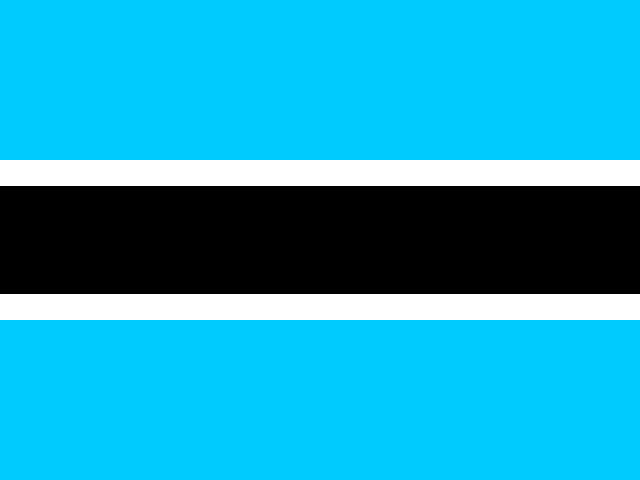
 Republic of Botswana
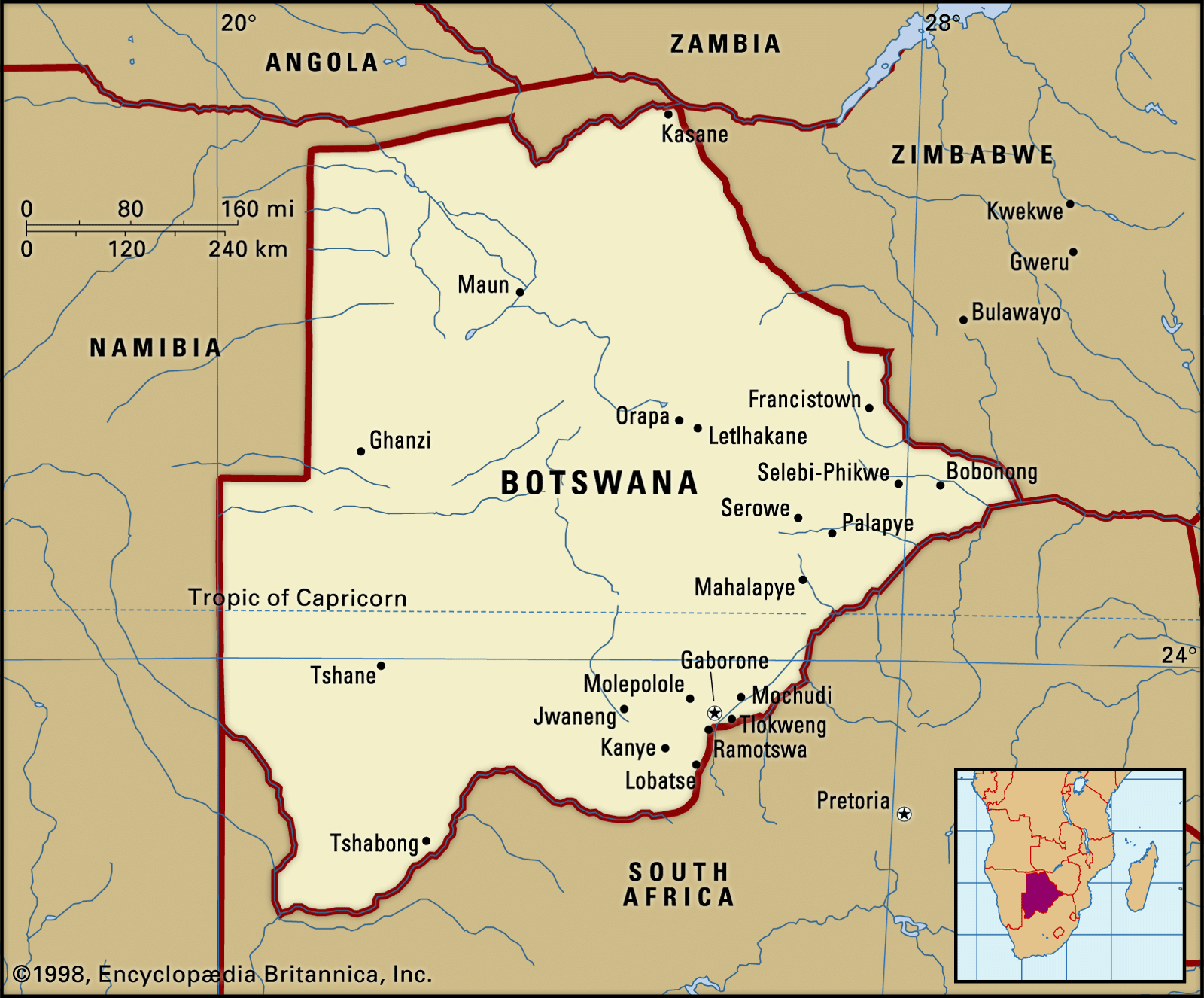
Overview
How a British protectorate called Bechuanaland became one of Africa's steadiest democracies.
In the early 1800s, conflict and migration across southern Africa reshaped the region, and the Tswana ethnic group emerged as the most prominent in the area. Tswana forces halted Afrikaner expansion northward in 1852, and in 1885 Great Britain claimed the territory as the protectorate of Bechuanaland. On independence in 1966 it took the name Botswana - land of the Tswana.
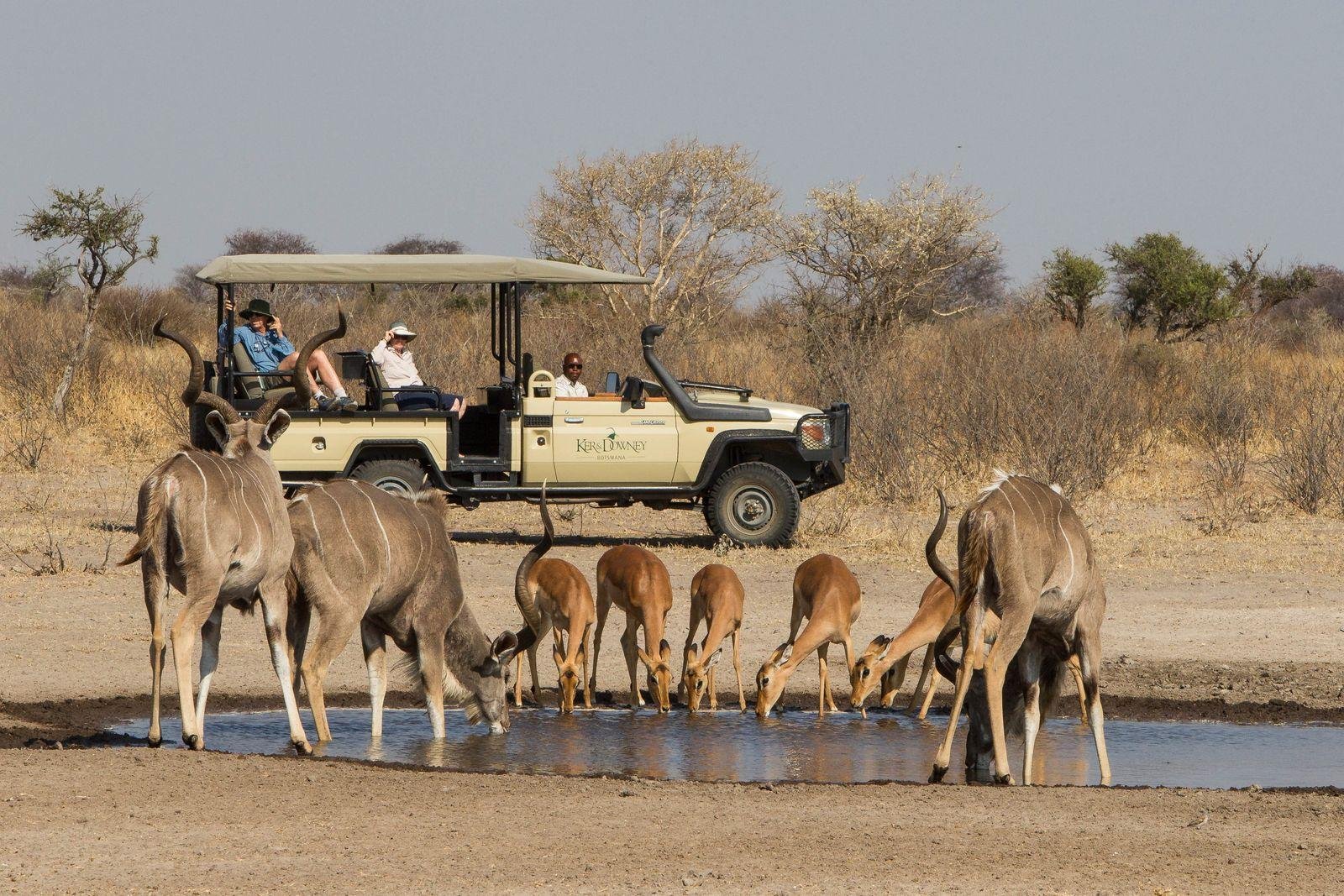
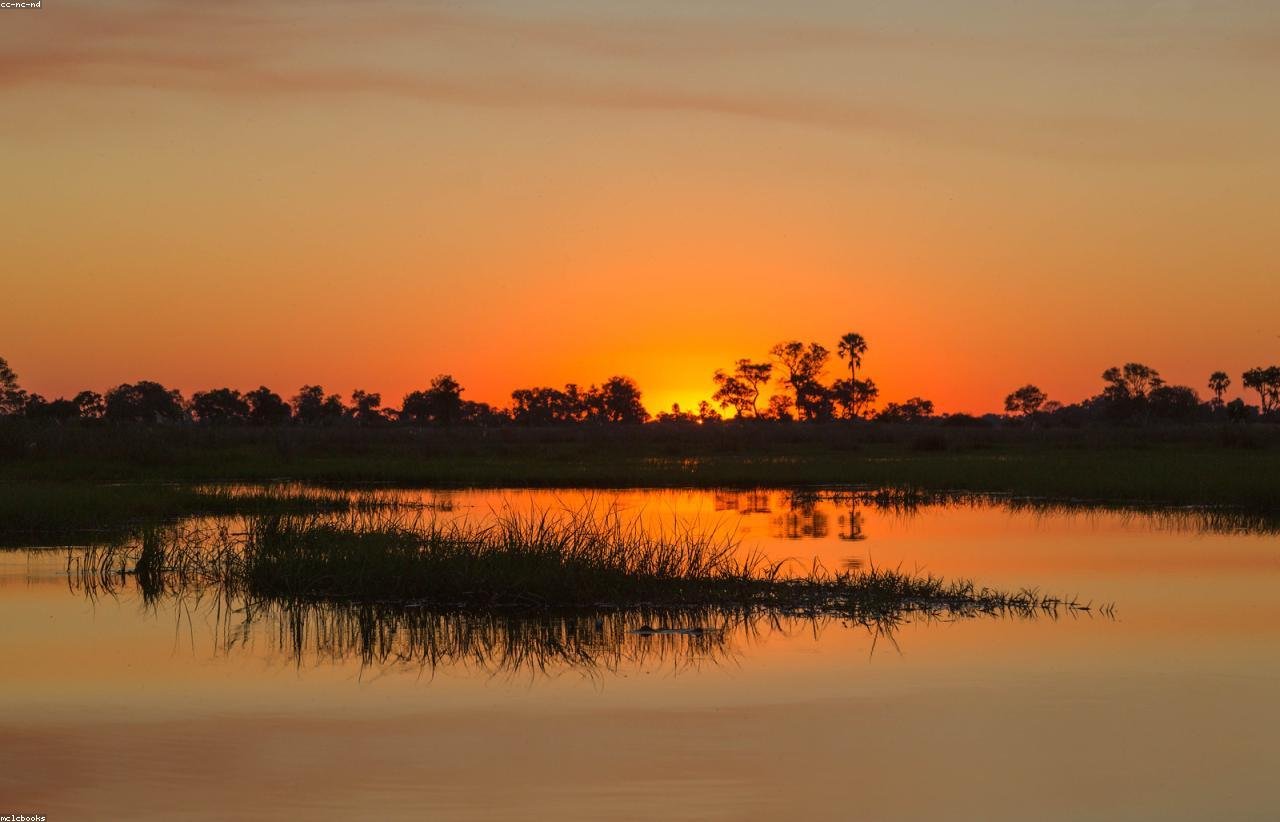
More than five decades of uninterrupted civilian leadership, progressive social policy, and steady capital investment built an enduring democracy and an upper-middle-income economy. Diamond mining still dominates output, while tourism keeps growing on the back of the country's conservation record and vast nature reserves.