Chobe National Park: Where the Elephants Rule the Riverbank
17/08/2026 · 4 min read
Kasane sits at the edge of something extraordinary. Drive or fly in, and the Chobe River announces itself first — a wide blue thread cutting through dry bush country before opening into the wilderness of Chobe National Park.
Gazetted in 1968, the park spans roughly 11,700 square kilometers and splits into four very different landscapes: the busy Chobe Riverfront, the seasonal Ngwezumba pans, and the remote Savuté and Linyanti regions further south and west. Most first-time visitors head straight for the riverfront, and for good reason.
The dry-season elephant gathering
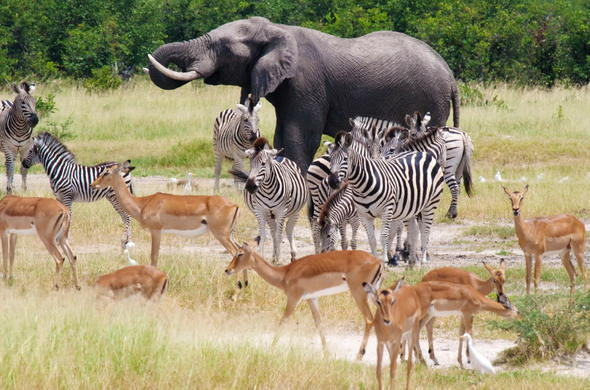
Between roughly May and October, the Chobe Riverfront hosts one of Africa's most reliable wildlife spectacles. As the surrounding bush dries out, elephant herds — sometimes hundreds strong — converge on the river to drink, wallow, and cross. It's common enough that the main road through the park can back up behind a family herd taking its time crossing to the water.
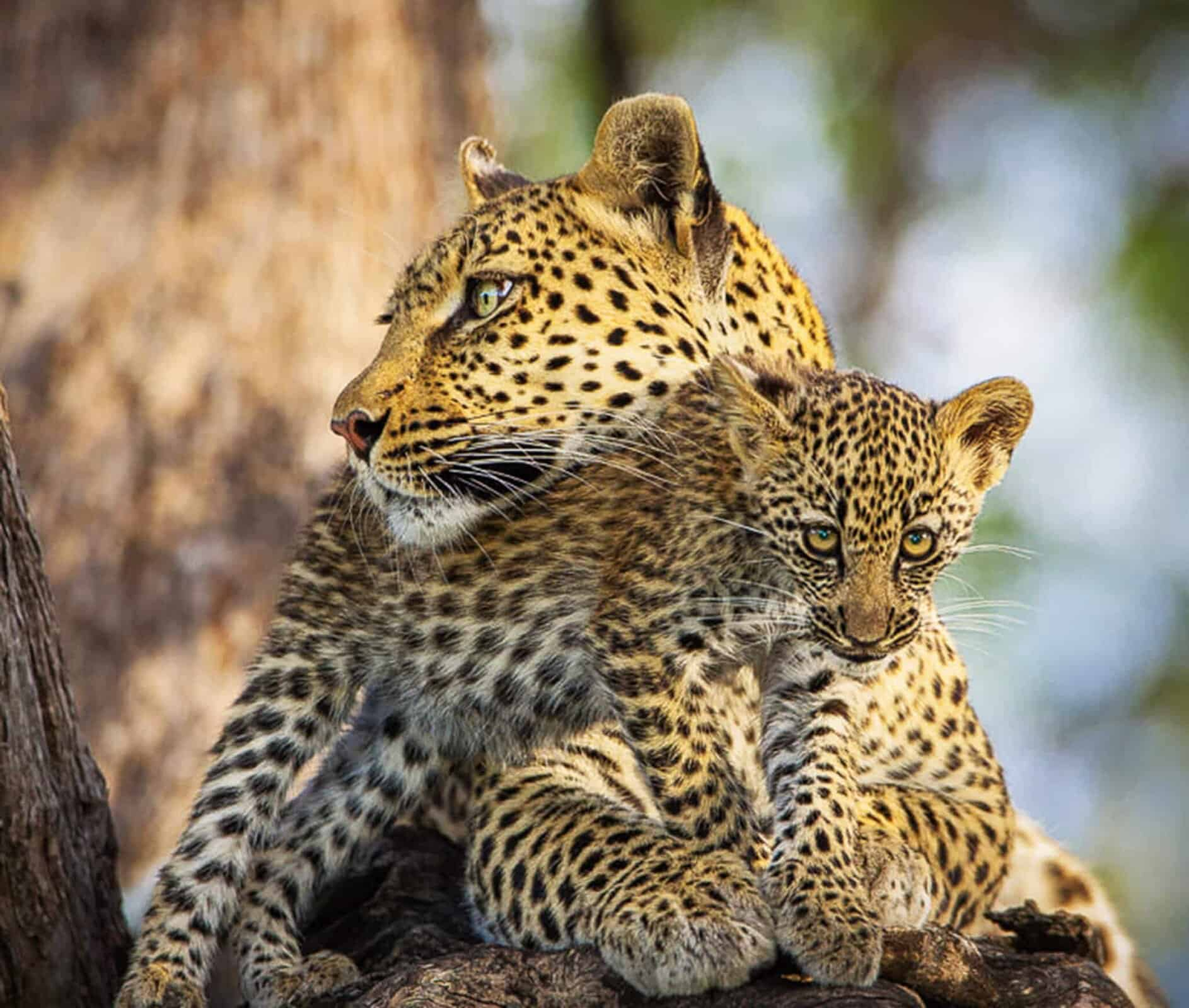
Elephants aren't the only reason to look twice. A single afternoon game drive along the riverbank can turn up 15 or more species: lechwe and puku picking through the floodplain grass, giraffe and kudu at the treeline, warthog and impala everywhere, and predators — lion, leopard, hyena — never far behind the herds they're tracking.
A different view, from the water
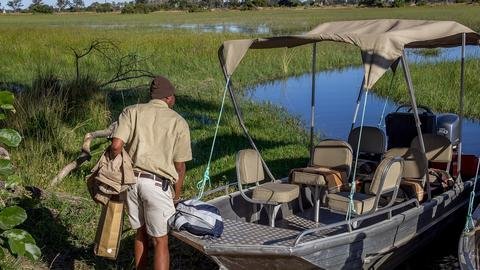
A river cruise changes the whole experience. Hippos and crocodiles that stay half-hidden from a vehicle are suddenly close and unmissable, and the birdlife along the banks is remarkable — Chobe has recorded over 460 species, from carmine bee-eaters and Pel's fishing owl to the African fish eagle's unmistakable call overhead.
Where the river comes from
The Chobe itself starts life far north in the Angolan highlands before winding down through Namibia's Caprivi Strip to meet Botswana at Ngoma. Like its neighbors the Okavango and the Zambezi, its route is shaped by ancient fault lines connected to the Great Rift Valley — together, these three rivers carry more water than every other river system in Southern Africa combined.
Planning a visit
Kasane is the gateway town, with the nearest airport and easy access to both the park and river-cruise operators. If wildlife density is the goal, the dry winter months (May–October) are hard to beat — that's when the animals concentrate most predictably along the river.